Postpartum blues and depression
Whether you have postpartum blues or you’re suffering postpartum depression, help is available.
What is postpartum blues?
Whether you have the postpartum blues or you’re suffering postpartum depression, help is available.
Postpartum blues or “baby blues” describes mild mood changes and feelings of worry, unhappiness and exhaustion that many women experience in the first two weeks after having a baby; it may affect up to 80% of women. Hormone changes, sleep disruptions and other stress may contribute. Symptoms include:
- Crying for no apparent reason
- Anxiety or worrying too much
- Feelings of irritability, anger or vulnerability
- Impatience or quick mood changes
- Insomnia (trouble falling asleep or staying asleep) and hypersomnia (too much sleep)
Baby blues usually last from a few days to a few weeks. If you’re experiencing the baby blues, please talk to someone about your feelings. Ask for help with the household responsibilities and/or children until you feel better. Take time to recover and be realistic about learning mothering skills. If symptoms persist, speak with your doctor or healthcare provider.
What is postpartum depression?
Up to 20% of new moms experience a more serious, longer-lasting depression that may begin during the first three months after childbirth. Postpartum depression, or PPD, is not the same for every woman. Some may have good days and bad days. Symptoms leave many feeling guilty, ashamed and isolated. Reach out if you feel:
- Sadness or despair that lasts longer than two to three weeks.
- Depression that begins three weeks or more after delivery, including feelings of loneliness, vulnerability, sadness, hopelessness or worthlessness.
- Headache, fatigue, rapid heart rate, bowel problems or problems breastfeeding.
- A sense of being overwhelmed, or overly concerned for the safety of your baby.
- A lack of interest in your baby, yourself or other things that were important to you.
- Concerned that you might harm your child.
Who’s most at risk?
A woman who had a difficult pregnancy, history of depression, previous PPD, relationship problems/unreliable support system, premenstrual syndrome or history of abuse may be at higher risk. Medical history involving thyroid problems or family/personal history of depression can also contribute.
Treatment varies, depending on the type and severity of the symptoms.
Tips for coping with postpartum depression
- Take each day one step at a time.
- Get plenty of rest: Avoid getting over-tired. Look at your day and plan times when you can rest. If possible, nap when your baby naps.
- Eat adequately. Healthy eating is important for you and your baby.
- Engage in a simple form of exercise on a regular basis, once medically cleared by your doctor to do so.
- Sometime during each day, take a break. Do something that you find enjoyable. Do not feel guilty about it… you deserve some “me” time too.
- Enlist help from family or friends who are willing to look after your children while you get some rest or while you take some time for yourself. When possible, share the responsibilities of taking care of the home and children.
- Take advantage of resources in the community to form a reliable support system for yourself and baby. Consider engaging in support groups, church groups, family resource centers in your area.
Help is available
If you are experiencing symptoms of postpartum depression (PPD), please contact your healthcare provider or one of the resources below:
Northbay Health Social Services
- Fairfield: 707-646-5015
- Vacaville: 707-624-7015
Mental health crisis – 24-hour crisis line
Call 707-428-1131
Find the best doctor for you
View providers specializing in obstetrics, gynecology and neonatology.

Frederick Blair, MD
Hospitalist, OB/GYN
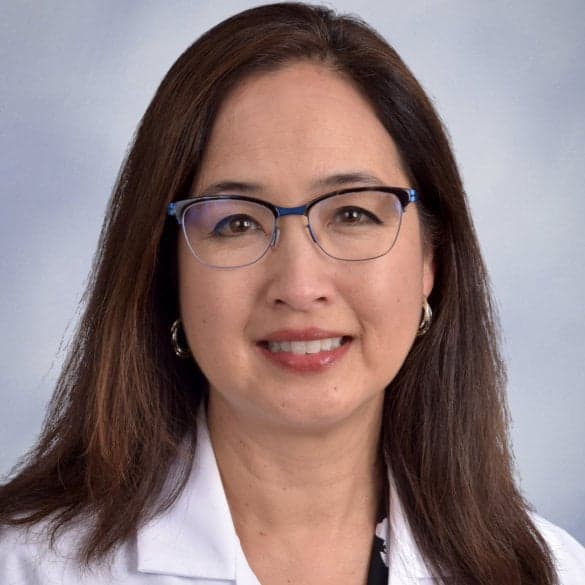
Marlene Freeman, MD, FACOG
OB/GYN
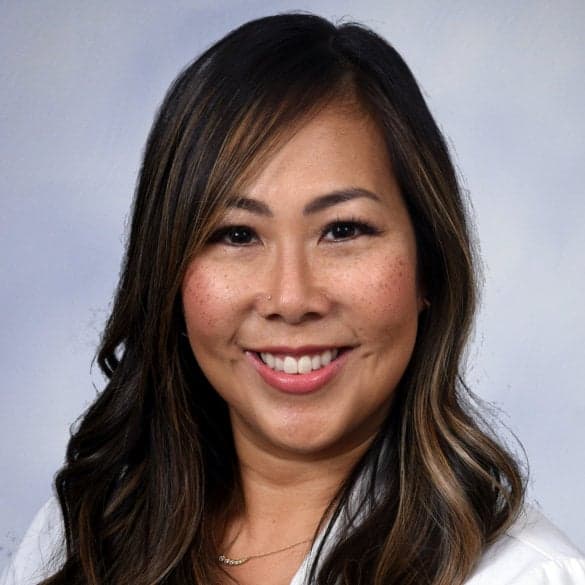
Stella Huang, DO
OB/GYN
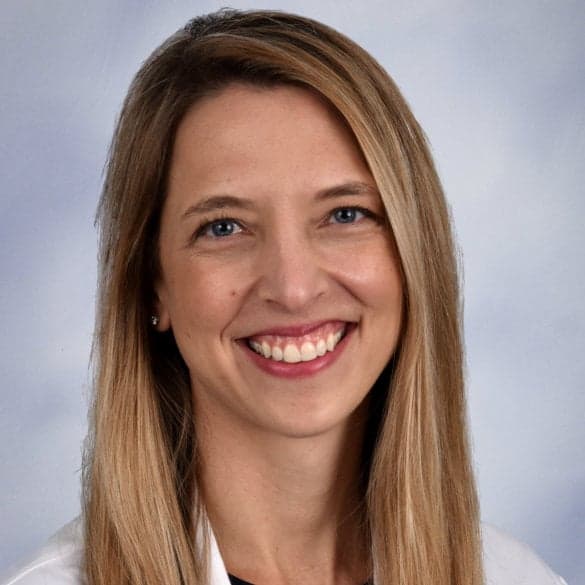
Kalie Li, DO
OB/GYN, Robotic Surgery

Andrew Lin, MD
OB/GYN
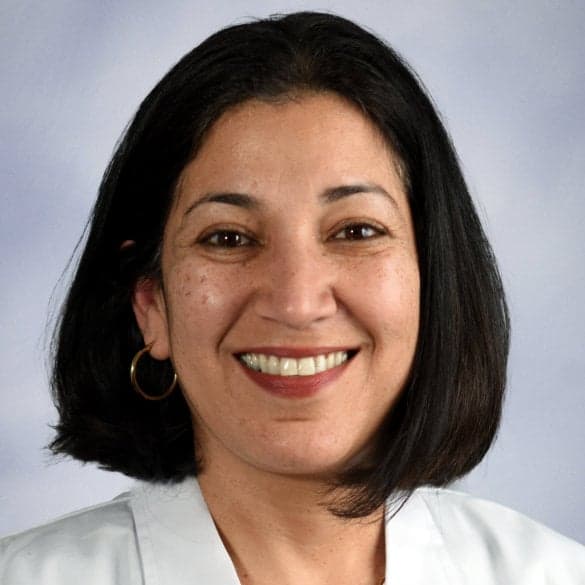
Pantea Pahlavan, MD
Hospitalist, OB/GYN
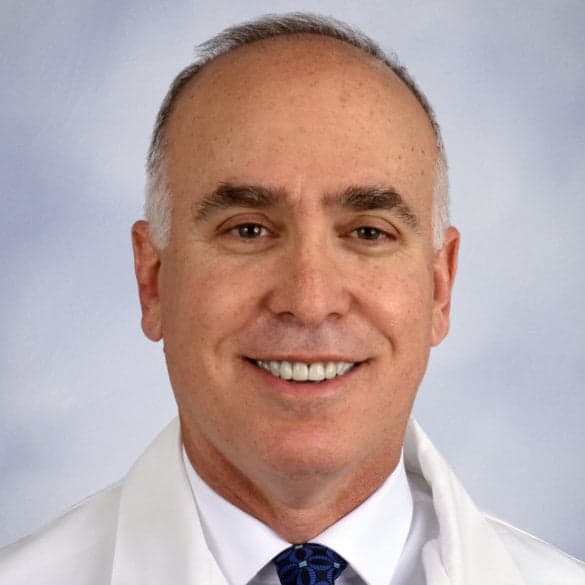
Jeffrey Ruderman, MD
OB/GYN, Hospitalist
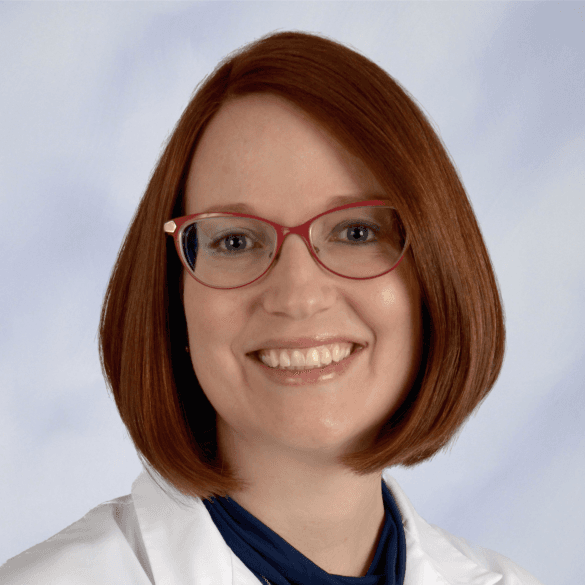
Shanna Snow, DO, FACOOG
OB/GYN

Denise Veloria, DO
OB/GYN

Rachel Villalon, MD
OB/GYN

Steven Gwiazdowski, MD
Neonatology
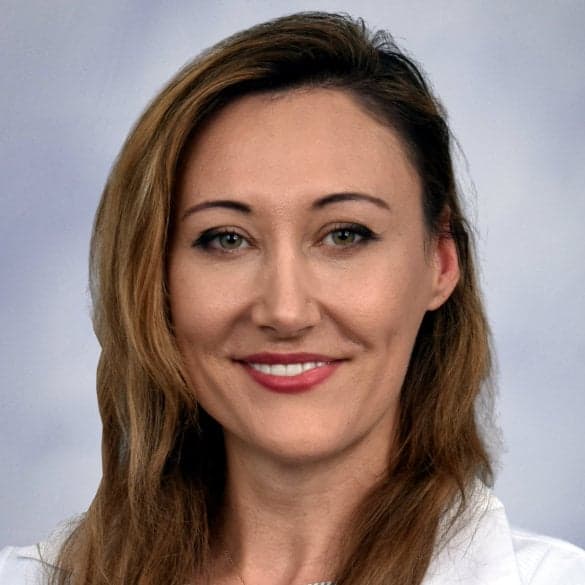
Elena Minakova, MD
Neonatology

Brian Montenegro, MD
Neonatology

Chad Tarter, MD
Neonatology, Hospitalist
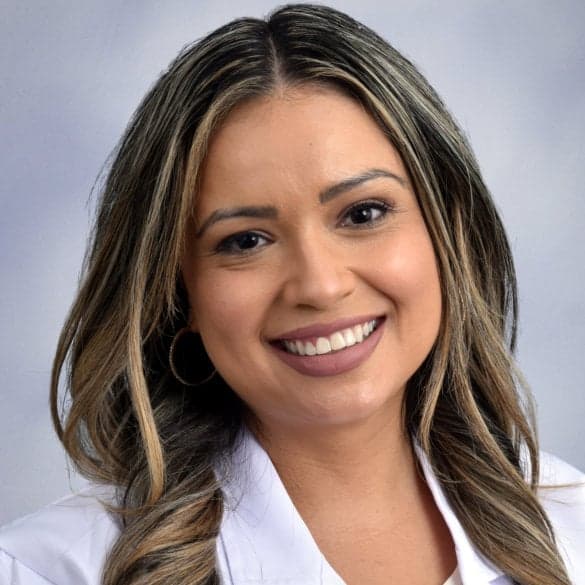
Yenifer Duque-Gomez, PA
Advanced Health Practitioner, OB/GYN
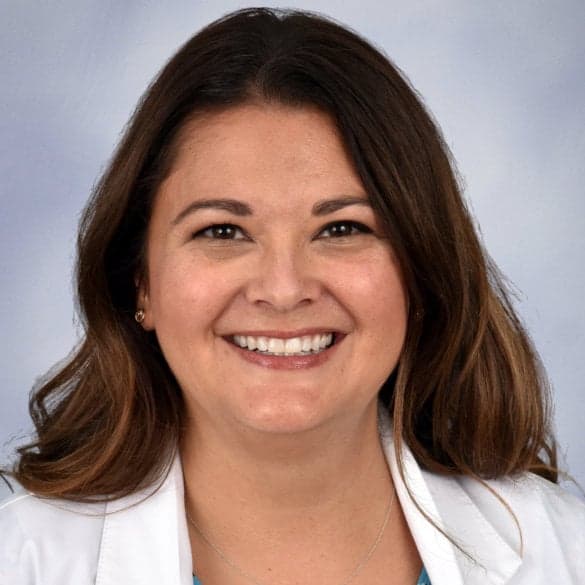
Tori Garcia, NP
Advanced Health Practitioner, OB/GYN
Locations
Appointments are available from 8 am–5 pm from Mon–Fri.
Call 707-646-4100.