Breast cancer risk infographic
Tailoring breast cancer screening to each woman's risk
Each woman's risk of breast cancer varies based on her unique mix of lifestyle and inherent risk factors.
Factors a woman can change
- Body mass index (BMI)
- Physical activity level
- Smoking
- Alcohol consumption
- Dietary fat intake
Motherhood can also affect risk
- Having children at a younger age correlates with reduced breast cancer risk
- Breast feeding further lowers risk
Other known risk factors
- Increasing age
- Family history of breast cancer
- Dense breast tissue
- Certain genetic mutations (BRCA 1 and 2 are best known)
- High risk breast lesion such as lobular carcinoma in situ (LCIS) or atypical hyperplasia
- Use of menopausal hormone therapy
One plan does not fit all
Consult with your doctor to tailor a screening plan that is appropriate for your level of risk, based on both lifestyle and inherent factors.
Average risk
A measured screening plan
- Consult with your doctor about mammogram screening recommendations starting at age 40.
- Supplemental screening methods such as 3D mammogram and molecular breast imaging can improve breast cancer detection in women with increased breast density.
High risk
Plan may include advanced screening
- Breast consultation to assess individualized breast cancer risk and preventative care to reduce the risk of breast cancer.
- Breast MRI provides supplemental imaging for women who have a lifetime risk of breast cancer over 20-25% and those with high risk gene mutations such as BRCA.
- Genetic counseling for women who have a family history of breast cancer.
Highest risk
Proactive approaches may be needed
- Breast consultation to assess individualized breast cancer risk and preventative care to reduce the risk of breast cancer.
- Chemoprevention drug treatment can reduce breast cancer risk.
- Clinical trials aimed at reducing individual risk.
- Proactive surgery and reconstruction to remove breast tissue before cancer can develop.
Women can reduce risk by taking action.
- Control weight within a healthy range
- Get 30 minutes of exercise per day, 5 days a week
- Stop smoking or better, don't start
- Avoid alcohol consumption

As a member of the Mayo Clinic Care Network, Northbay Health has special access to Mayo Clinic information and expertise. Learn more about our clinical collaboration.
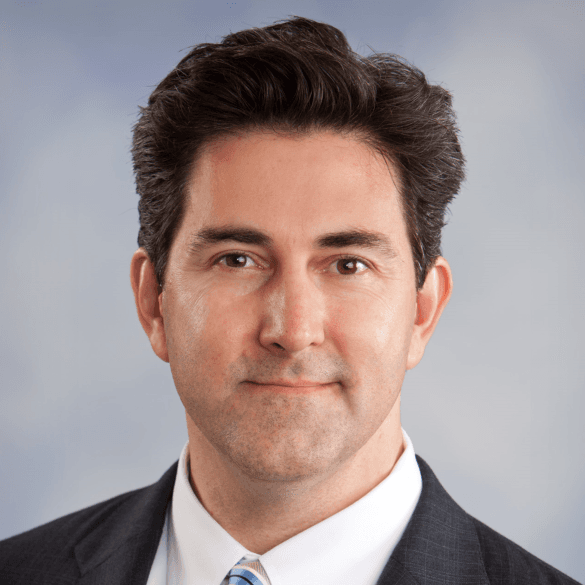
Meet our oncoplastic breast surgeon
Locations
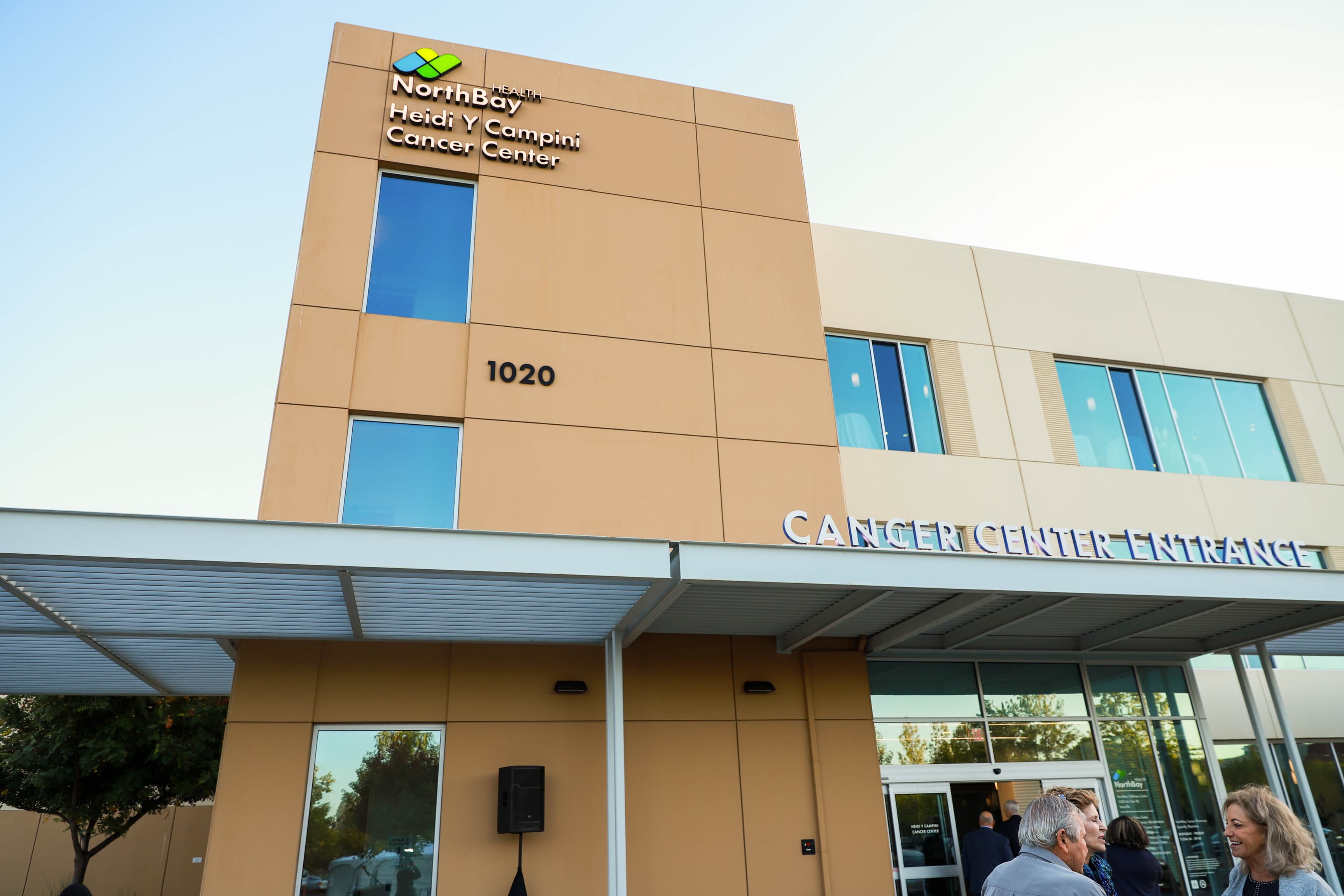
Northbay Health Breast Cancer Program
1020 Nut Tree Road, Vacaville, CA 95687